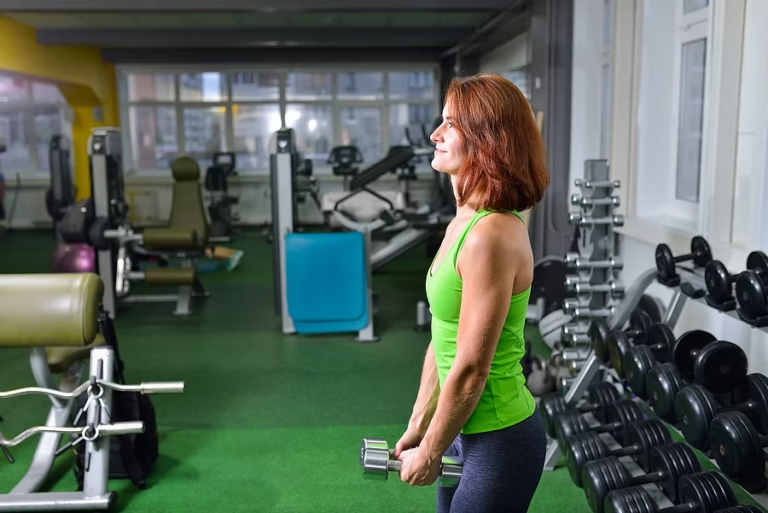
Why Muscle Is the New Anti-Aging Strategy
The goal isn’t simply to live longer. It’s to remain strong, capable, and fully engaged in the life you’re living.
For years, women have been told that “anti-aging” comes in a bottle, a serum, or the latest supplement. We have been encouraged to fight wrinkles, chase youth, and focus on taking up less space. But one of the most powerful tools we have for aging well cannot be found at a beauty counter.
It is muscle.
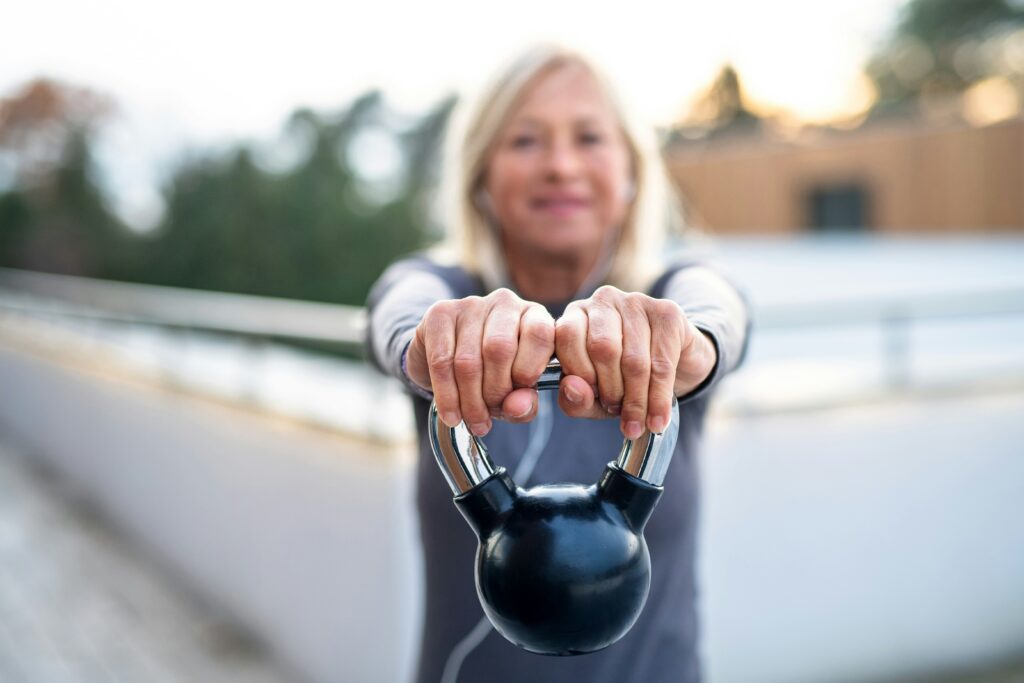
Not because we need to look like bodybuilders or spend hours in a gym. And not because getting stronger will somehow stop the natural process of aging. Muscle matters because it helps us move through life with more strength, energy, resilience, and independence. It supports how we feel today—and what we may still be able to do decades from now. At 57, I no longer think of exercise simply as a way to burn calories or change the number on the scale. I think of strength training as an investment in my future self.
I want to travel, carry my own suitcase, walk for miles, get up from the floor easily, lift my groceries, remain active with the people I love, and continue saying yes to new experiences. That is what building muscle is really about.
Our Bodies Change in Midlife
eginning in adulthood, we gradually lose muscle mass and strength, and that process can become more noticeable as we get older. Hormonal changes during and after menopause may contribute, along with inactivity, inadequate nutrition, stress, illness, and overly restrictive dieting. Significant age-related muscle loss is known as sarcopenia. It can make ordinary activities—climbing stairs, carrying groceries, getting out of a chair, or maintaining balance—more difficult over time. It can also increase the risk of falls, fractures, and losing independence. The encouraging news is that resistance exercise and supportive nutrition can help us preserve and rebuild strength. (Office on Women’s Health)
This is one reason I believe the conversation around fitness after 50 needs to change. Instead of asking only, “How can I lose weight?” we can begin asking: How can I build a body that supports the life I want to live?
Muscle Supports More Than Your Appearance
You may notice more definition in your arms or legs when you begin strength training, but the benefits go much deeper than appearance.
Muscle helps protect your independence
Strength is what allows you to keep doing everyday things without needing assistance. It helps you rise from a chair, climb stairs, garden, play with grandchildren, carry bags, and recover your balance if you stumble.These movements may seem ordinary now. That is exactly why they matter.The small physical capabilities we often take for granted are part of what allows us to remain independent later in life. Building strength now creates a reserve your future self may rely on.
Muscle supports your bones
Muscles and bones work together. When your muscles pull against your bones during resistance and weight-bearing exercise, your body receives a signal to maintain and strengthen those structures.This becomes increasingly important for women during and after menopause, when declining estrogen can accelerate changes in bone density. Strength training cannot guarantee that you will avoid osteoporosis, but it can be an important part of a bone-supportive lifestyle. It also improves the strength, coordination, and balance that may help reduce the likelihood of a fall.
Muscle supports a healthy metabolism
Muscle is metabolically active tissue. Although adding muscle is not a magical way to dramatically increase calorie burn, maintaining it can support healthier body composition and help your body use energy efficiently. This is especially important when losing weight. If your approach relies only on eating less—without adequate protein and resistance training—you may lose valuable lean tissue along with body fat.
The goal is not simply to become lighter. It is to become stronger and healthier.
Over the past year, I have experienced this distinction personally. While losing nearly 20 pounds, my skeletal-muscle measurements increased. That progress means far more to me than weight loss alone because it reflects what I was truly working toward: less body fat, more strength, and a body that is better equipped to carry me forward.
Muscle helps your body manage blood sugar
Our muscles use glucose for fuel. Regular physical activity, including resistance training, can improve the way the body uses insulin and help support steadier blood-sugar regulation.
In other words, strength training is not just changing what happens on the outside of your body. It is supporting your health from the inside as well.
Muscle gives you confidence
There is something powerful about discovering that you can do more than you thought you could.
You lift a weight that once felt impossible. You carry something without asking for help. Your posture changes. Daily life begins to feel easier.
That confidence often extends beyond the gym. You begin to see yourself differently—not as someone whose body is inevitably declining, but as someone who is actively building strength for her next chapter.
You Are Not Too Old—and It Is Not Too Late
One of the most limiting beliefs I hear from women is that they have waited too long.
They believe strength training is for younger women, athletic women, or women who already know their way around a gym.
It isn’t.
Research in postmenopausal women has found that progressive resistance training can improve muscle mass, strength, and physical performance—even within a matter of months. (PubMed)
You do not need to begin with heavy barbells. You can start with body-weight movements, resistance bands, dumbbells, or weight machines. The important thing is to give your muscles an appropriate challenge and gradually increase that challenge as you become stronger.
Your starting point does not determine your potential.
It simply tells you where to begin.
How to Start Building Strength
You do not need a complicated program. You need a consistent one.
Begin with two or three full-body sessions each week
Focus on the major movement patterns your body uses in daily life:
- Squatting or sitting and standing
- Pushing
- Pulling
- Bending or hinging at the hips
- Carrying
- Stabilizing your core
Even 20 to 30 minutes can be worthwhile when your workouts are intentional.
Choose a weight that feels challenging
The final few repetitions of an exercise should require effort while still allowing you to maintain good form. If you can complete every repetition easily, your muscles may be ready for a little more resistance.
Progress can mean increasing the weight, adding repetitions, improving your range of motion, or performing the movement with greater control.
Eat enough protein
Exercise gives your body the signal to build and maintain muscle. Protein provides the raw materials it needs to respond.
Rather than trying to consume most of your protein at dinner, aim to include a quality source at each meal. Eggs, poultry, fish, lean meats, Greek yogurt, cottage cheese, tofu, beans, lentils, and protein smoothies can all help.
Your individual needs will vary, but consistently prioritizing protein becomes increasingly important in midlife.
Make recovery part of the plan
Muscle is challenged during your workout, but it adapts during recovery.
Rest days, adequate sleep, hydration, nourishing food, walking, and stress management are not signs that you are doing less. They are part of how your body becomes stronger.
Get support when you need it
If strength training is new to you—or if you have osteoporosis, an injury, a health condition, or concerns about balance—work with a qualified professional who can help you begin safely.
There is no prize for starting with the heaviest weight. The goal is to build strength you can sustain.
Train for the Life You Want to Keep Living
We cannot control every part of aging. But we can make choices today that support how we want to feel and live tomorrow.
Building muscle is not about trying to look 25 again.
It is about being strong at 55, capable at 65, active at 75, and as independent as possible in the years beyond.
It is about protecting your energy, your mobility, and your ability to participate fully in your own life.
So perhaps the most meaningful question is not, “How can I stay young?”
Perhaps it is:
What kind of life am I training for?
For me, the answer is a life with strength, freedom, purpose, and possibility.
Strength is one of the five foundations I teach in The 5 Foundations of a Better Body Over 50. Because lasting health is not built through restriction or quick fixes. It is built through small, supportive practices that help you become stronger for the life ahead.